A useful lawn soil report starts with a sample that represents the area you intend to manage. Before buying lime or fertilizer, take time to plan where and how you will collect soil. For North Carolina homeowners, NCDA&CS publishes specific sampling instructions.
Separate areas with different needs
Do not combine the lawn, vegetable garden and a specialty planting into one box. NCDA&CS recommends separate samples for distinct areas and plants with different nutrient needs. Give each area a clear sample ID and keep a simple sketch so you can connect the report with the right location.
If a problem patch differs from the rest of the lawn, ask your local Extension office how to sample it for diagnosis. Mixing it into the general sample can hide the difference you want to investigate.
Use clean equipment
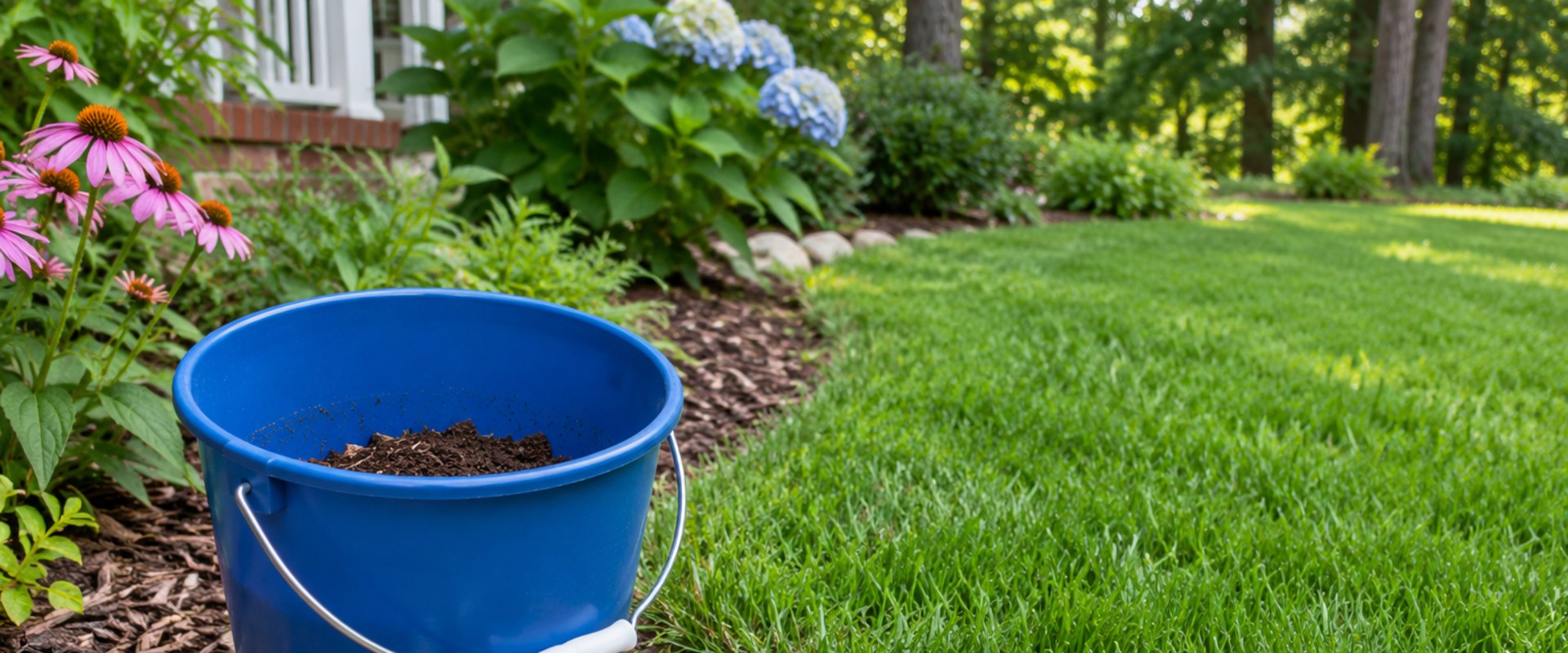
Use a clean plastic bucket and an appropriate sampling tool. Avoid brass, bronze and galvanized tools, which can contaminate the sample. NC State Extension also warns that even small amounts of lime or fertilizer left on equipment can distort results.
Collect a representative lawn sample
The NCDA&CS homeowner guide calls for soil from 8 to 10 random locations and a depth of 4 inches for an established lawn. Combine and mix those cores thoroughly. Its recommended depths differ for vegetable gardens and trees or shrubs, so use the instructions for the area you are sampling.
Wait if the soil is too wet to mix properly. Label the official sample box before filling it, then fill to the marked red line. Follow the current submission instructions for forms, packing and fees.
Use the report to plan the next step
Keep the results with your area sketch and maintenance notes. If a recommendation is unclear, have Extension help interpret it before applying a product. For the wider care programme, see our article on lawn fertilization and aeration.
A soil sample is worth doing carefully: clean equipment, consistent depth and distinct management areas make the results easier to use.


